Guzman’s Garden Centers
Guzman’s Garden Centers
575-521-0496 Telshor Location
575-523-1520 Avenida de Mesilla Location
Open Monday through Sunday, 9:00 am to 5:30 pm. Spring, summer, and fall hours: Monday through Saturday, 9:00 am to 5:30 pm. Sunday 10:00 am to 5:00 pm.
Avenida de Mesilla Location closes at 5:00 pm every day

Guzman’s Garden Centers has been helping Southwest gardeners choose better plants for local yards, patios, and landscapes for many years. Our goal is simple: help you find plants that can handle our heat, sun, wind, and alkaline soil.
Whether you are looking for flowering shrubs, shade trees, desert-friendly perennials, vegetables, pottery, soil amendments, or seasonal color, visiting our stores gives you a better chance to see what looks healthy and ready to plant.
New to Las Cruces? Get your free Beginner’s Guide to Gardening in the Desert.
We don’t sell our plants, trees, or gardening supplies online. To see our full selection, you’ll need to visit our stores in person. This way, you can check the quality, get advice from our staff, and find items that may not be listed anywhere else. Some customers prefer online shopping for convenience, but we believe seeing the plants first-hand helps you make a better choice.
You feel welcome as soon as you walk into Guzman’s Garden Centers. The staff notice you and offer help right away. If you have no idea which plant will work in your yard, they ask the right questions to guide you. They never rush or push you. They listen to what you want and share tips in a way that’s easy to understand.
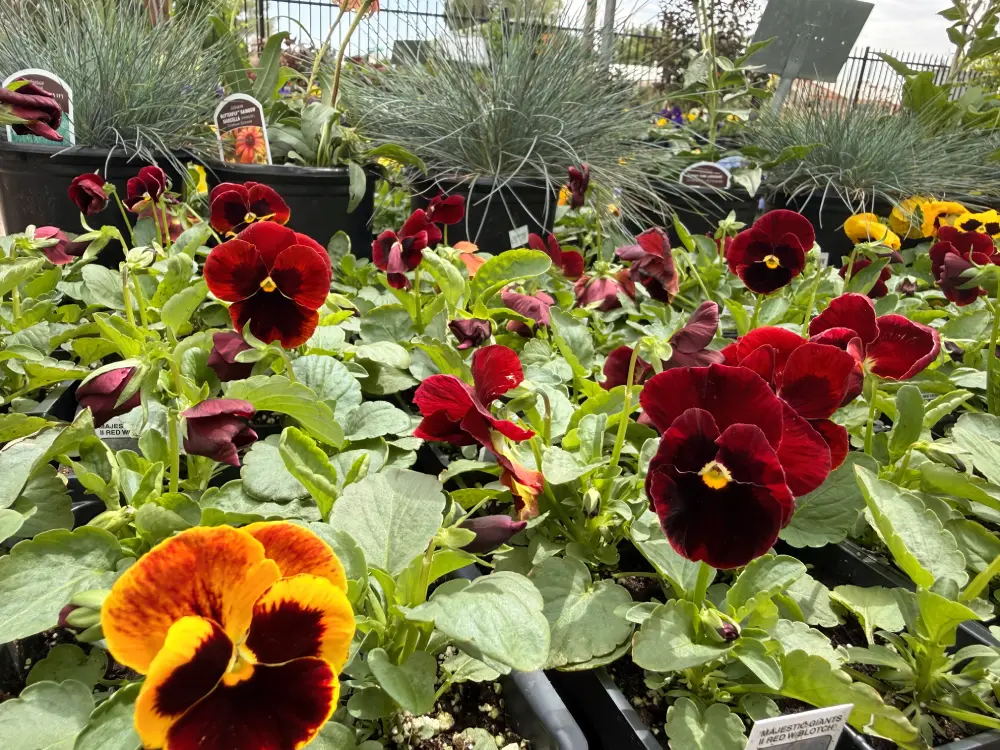
New Pansies have arrived at Guzman’s Garden Centers.
What to Plant now for fall color
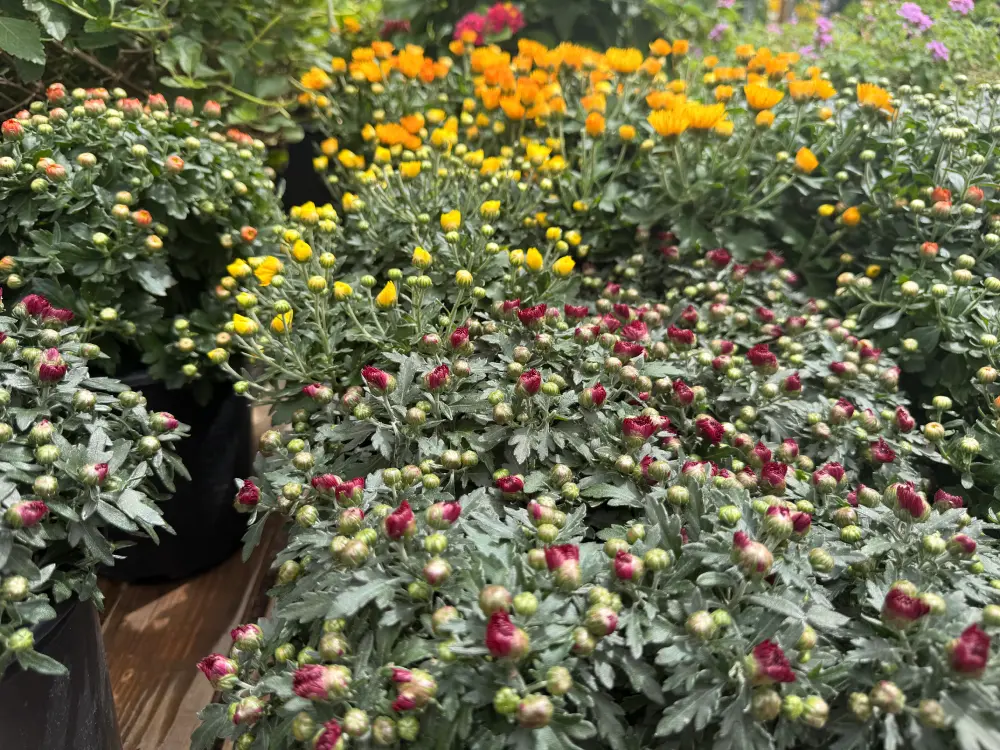
Lots of New Mums for fall color at Guzman’s
Just Arrived at Guzman’s Garden Centers
Fall plants are arriving at Guzman’s Garden Centers! We have fresh shipments of colorful annuals, cool-season vegetables, herbs, ornamental grasses and more. Stop by either of our Las Cruces locations and see what’s new.
Plant availability can change quickly. Selection may vary by location.
| Fall Color & Vegetables | Herbs, Grasses & More |
|---|---|
| Alyssum | Sweet Basil |
| Dusty Miller | Thai Basil |
| Pansies | Garlic Chives |
| Snapdragons | Cilantro |
| Violas | Munstead Lavender |
| Flowering Cabbage | Hidcote Lavender |
| Flowering Kale | Lemongrass |
| Broccoli | Chocolate Mint |
| Brussels Sprouts | Mojito Mint |
| Chinese Cabbage | Mexican Oregano |
| Green Cabbage | Rosemary |
| Carrots | Sage |
| Cauliflower | French Tarragon |
| Swiss Chard | Lemon Thyme |
| Collards | Lemon Verbena |
| Dinosaur Kale | Green Bunching Onion |
| Red Russian Kale | Candy Onion |
| Arugula | Elijah Blue Fescue |
| Spinach | Beyond Blue Fescue |
| Mexican Feather Grass | |
| Pampas Grass | |
| Purple Fountain Grass |
Best Gardening Information in the Southwest
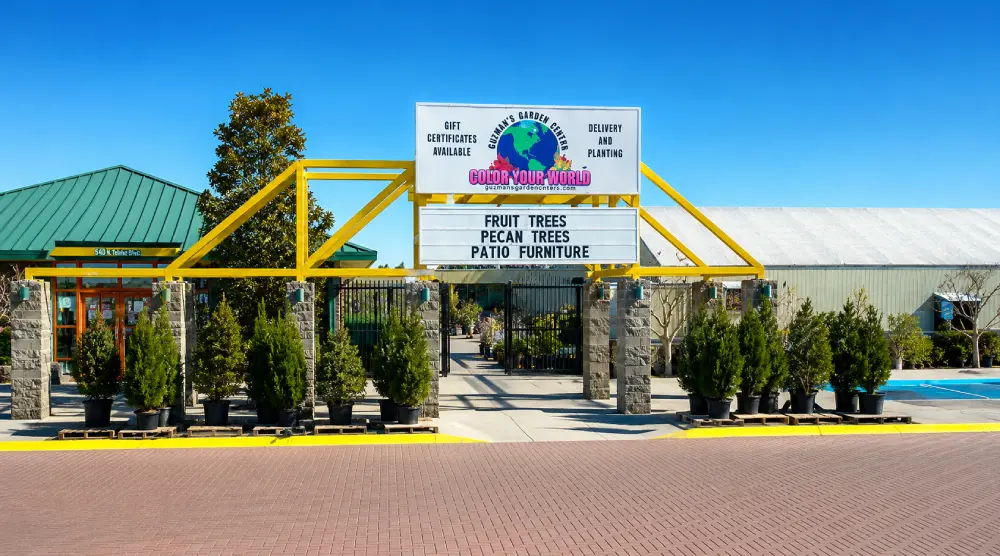
The front of Color Your World — Guzman’s Garden Center, 540 N. Telshor

The front of Guzman’s Greenhouse on 270 Avenida de Mesilla
Discounts for Seniors and Veterans
Ten percent discount for all citizens over 65 on Tuesdays. The same discount applies to all U.S. Veterans on any day with ID.
Plant Care AI Troubleshooter Free Tool
Diagnose Houseplant Problems
Landscape Material Calculator. Calculate square footage on almost anything
Delivery and Planting Service
We offer professional delivery and planting services to make your landscape projects simple and stress-free. Our team will safely deliver your plants and place them properly in the ground so they get the best start possible in your landscape.

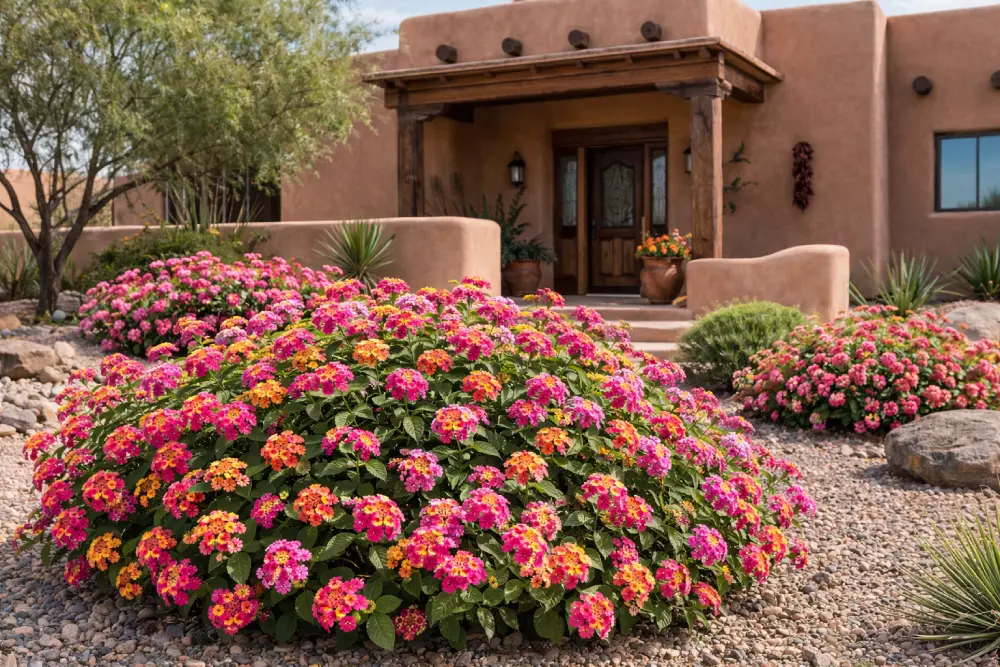
Colorful Lantanas
Lantana plants can get large, sometimes as tall as 5 ft. tall and wide. You don’t have to mess with pruning or picking off old flowers because the plant takes care of itself. The faded blooms just fall away, and you’ll see fresh ones popping up in their place every week. That means more color for a longer time, with almost no work from you. Lantana Plants.
Gardening in the Southwest
Looking to add color and life to your yard, patio, or office? At Guzman’s Garden Centers, we’ve got the heat-tolerant plants, shade trees, and expert advice you need for successful gardening in the Southwest.
Whether you need vibrant lantanas for pollinators, hardy shade trees, or beautiful houseplants, we can help you pick the right plants for Las Cruces and the surrounding areas. We offer local delivery and garden consultations so you can relax while we handle the heavy lifting.
You need clear advice tailored specifically for these conditions. What plants can handle the heat? Which ones thrive in rocky soils? When is the best time to plant? You’ll get all of that and more when you use trusted resources designed for Southwest gardeners.
You need reliable advice that works for gardens in the Southwest, and that’s what we deliver. From choosing heat-tolerant plants to managing dry soil, we focus on what helps you succeed in this climate. Why waste time guessing what thrives here? We give you practical tips, backed by knowledge, to make your garden both beautiful and sustainable. Join our weekly newsletter here: Guzman’s Garden Centers Newsletter.
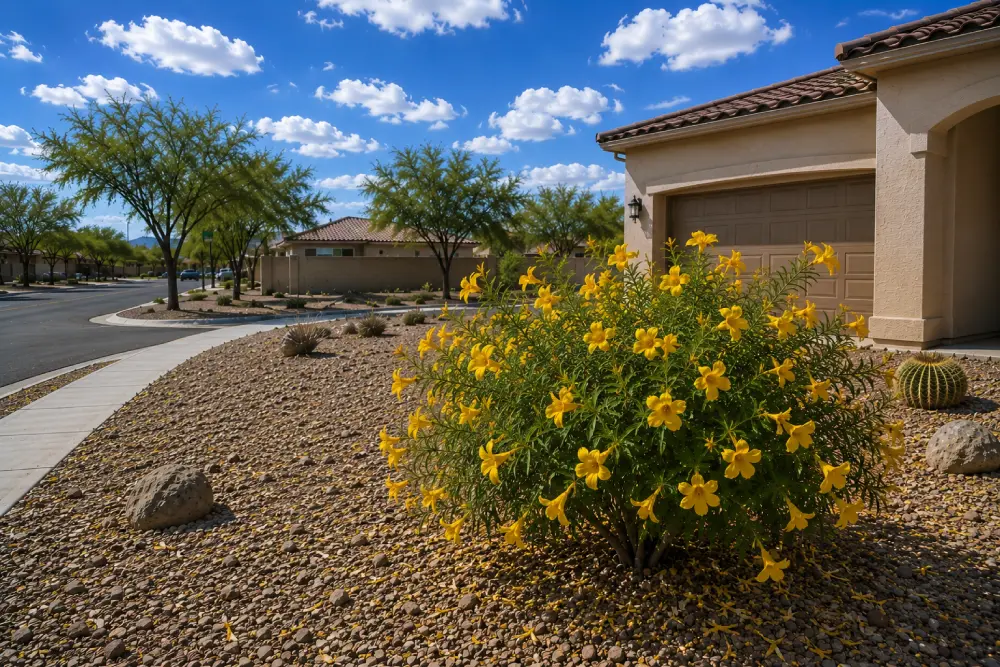
The Yellow Bells Plant
The Yellow Bells Plant. Also called the Esperanza plant (Spanish – Hope) or the Yellow Tecoma Stans. It does best in full sun but can tolerate some shade. Dark green leaves and beautiful yellow Trumpet flowering blooms in spring into mid-summer. Fast-growing in the desert southwest. It can grow up to 5-6 ft. tall and 5 ft. wide. The best thing about this plant is that it will bloom from late spring until mid-fall. No deadheading or pruning is necessary.
Gardening Advice for Southwest New Mexico
The Southwest region typically has poor soil conditions. The air is dry, and the moisture is low. It is a challenge for most folks to grow things, but with the right gardening information, you can grow just about anything here that grows elsewhere. Most of our plants, shrubs, and trees come from Mountain States Wholesale Nursery and Monrovia.
Below Is a Small List of What We Carry
- Garden Gift Crafts
- Organic Soils
- Organic Insecticides
- Bedding Plants
- Herbs
- Vegetables
- Non-GMO Seeds
- Patio/Outdoor Furniture
- In-Store Gift Certificates
- And so much more
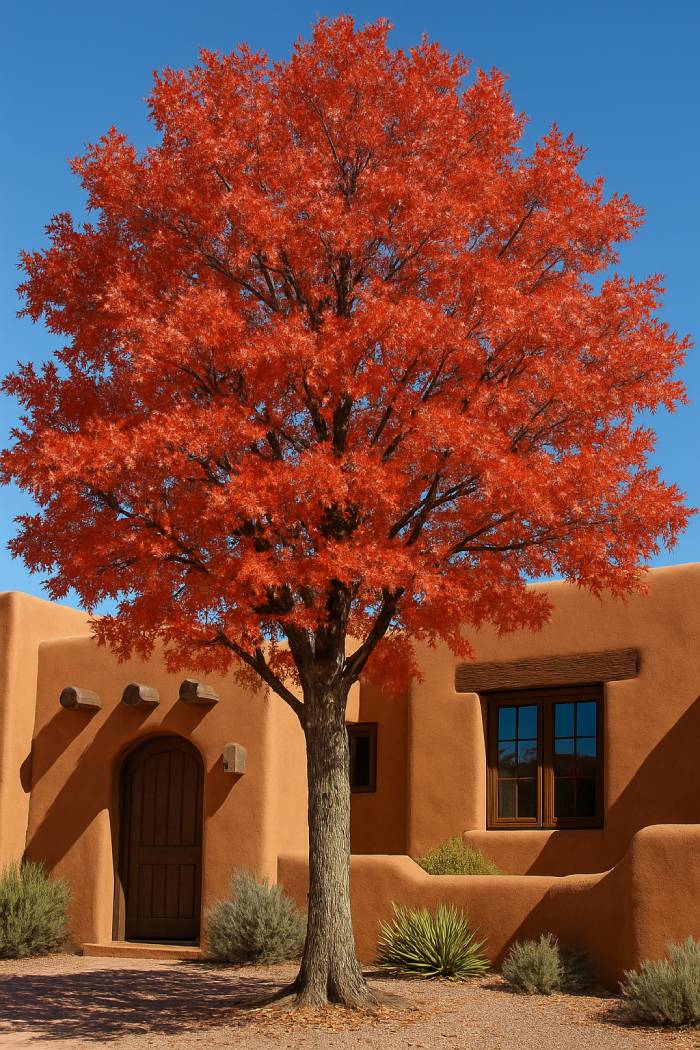
Texas Red Oak Trees
Texas Red Oak Tree information (Quercus buckleyi). A handsome, large tree for the Southwest and other parts of the West.
I love this tree for its hardiness and overall appearance. Many do not realize that red oak trees will do well in the American Southwest. Most folks think the extreme heat during mid-summer will make this tree a bad choice. It is native to south-central Texas but can be grown in many southwestern cities.
Texas Red Oak Tree
Hundreds of Indoor Plants
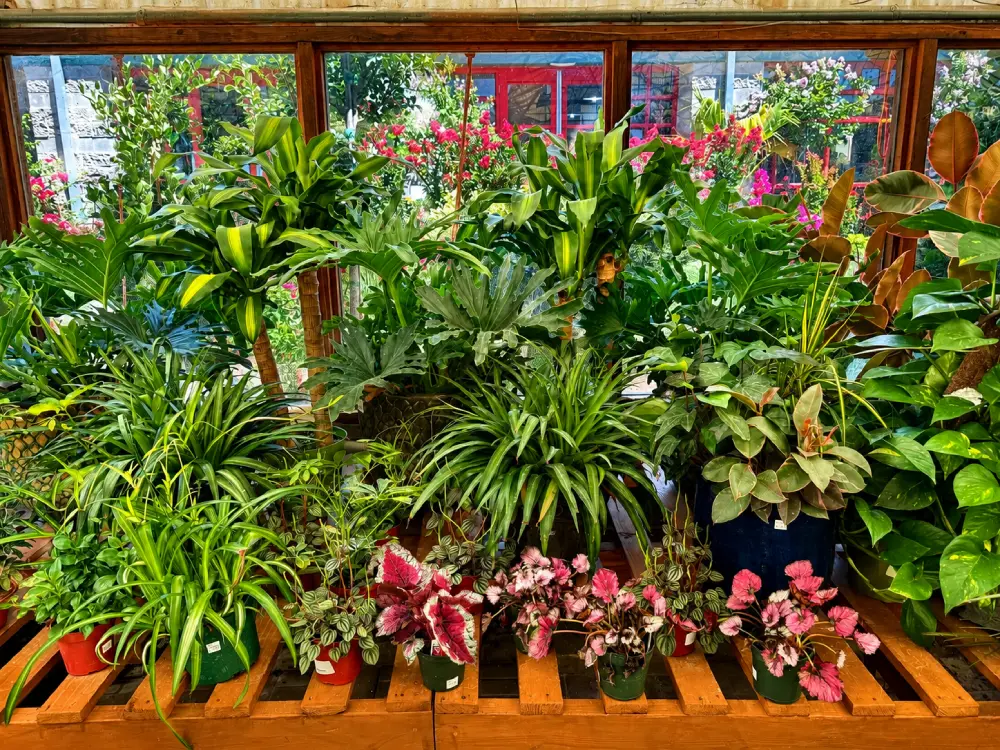
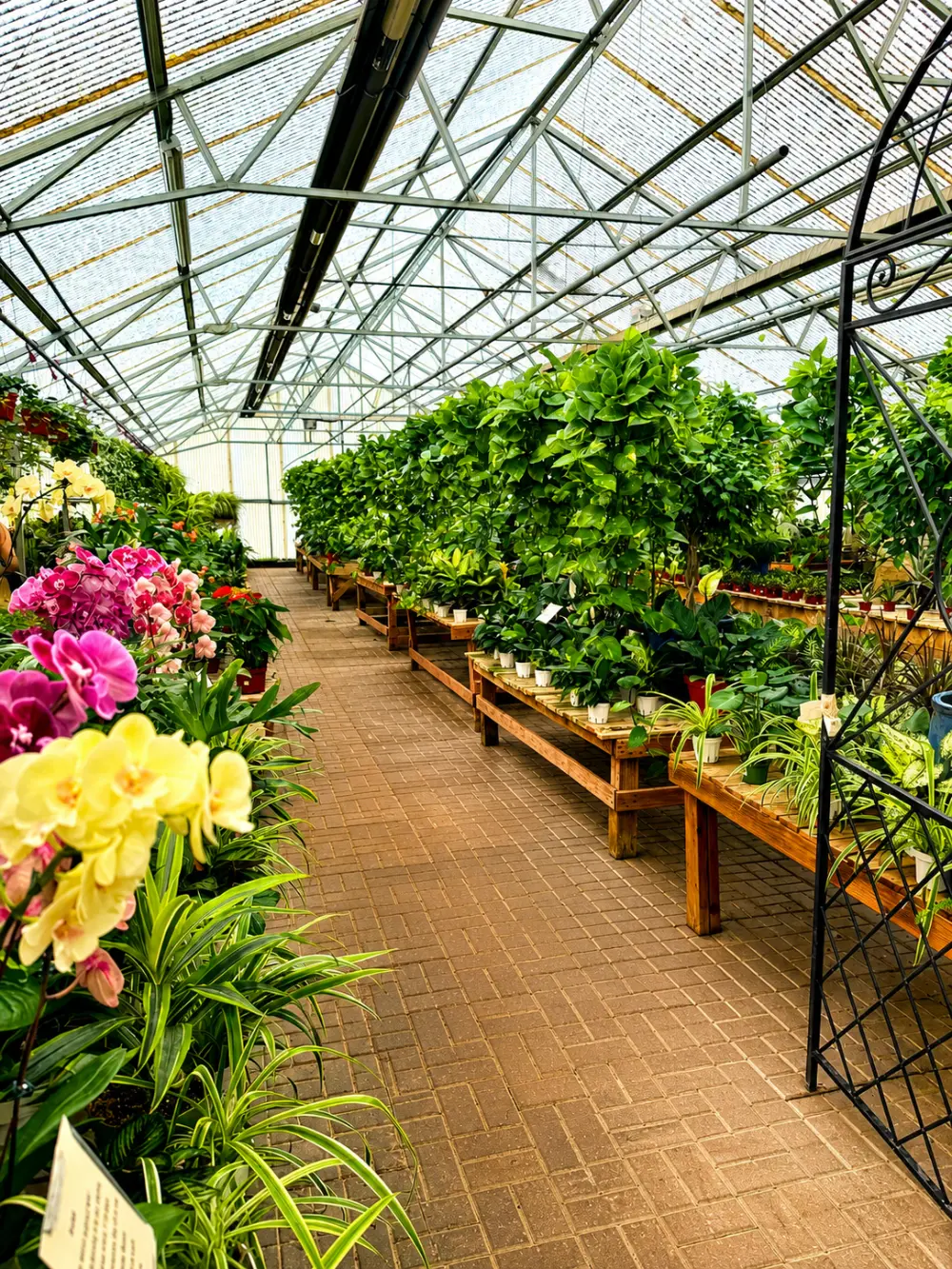
We’ve got so many houseplants, you’re bound to find one you’ll love. Big, small, leafy, or easy-care, there’s something for everyone. Whether you’re a total beginner or already obsessed with plants, we’ve got you covered. Just grab one or a few and make your space feel alive. Visit Indoor House Plant Names.
Fox Farm Products at Guzman’s Greenhouse

We Carry Fox Farm Potting Soils
Want More Southwest Gardening Help?
My Southwest Gardening Made Simple eBook gives you practical tips for choosing plants, watering correctly, and avoiding common desert gardening mistakes.